
Quick Answer
The best workout for stress, anxiety, and low energy is one that matches how you actually feel, not one that pushes through it. Slower, breath-focused practices like Pilates tend to be more effective for stress and anxiety because they calm the nervous system while you move. Higher-intensity workouts help mood in some seasons and make anxiety worse in others. For most people, especially in fall, the right answer is a consistent, small- group class that meets you where you are.
Who This Article is For
This guide is for you if . . .
- You’re stressed and unsure whether to push through with a hard workout or slow down
- You’ve noticed anxiety climbing, and you’re wondering if exercise will help or make it worse
- You’re mentally exhausted and can’t tell if you need rest or movement
- You’re having a bad day and want to know what will actually help
- You’re looking for fitness classes in East Northport that match how you feel this fall
Why This Question Matters More in October
Every fall, we hear the same thing from clients . . . “I don’t know what my body needs anymore.”
Three things stack up in October. Less daylight affects mood in well-documented ways. The summer social calendar quiets down, and loneliness gets more difficult to outrun. And a year’s worth of tired finally catches up all at once.
This means that the question isn’t “Should I work out?” – it’s “Which workout should I actually do?” The answer changes depending on which of those three you’re carrying.
What Workout Should You Do When You’re Stressed?
The instinct is often to go hard, sweat it out, exhaust yourself. Sometimes that helps, but, often, it doesn’t.
Stress lives in your nervous system, not just in your muscles. A high-intensity workout can leave you feeling better temporarily, then more depleted a few hours later. A slower, breath-focused class like Pilates works differently. It uses the breath to actually down-regulate the stress response while you move.
For most people carrying real stress, the more effective choice is slower, not harder.
What Workout Should You Do When You’re Anxious?
This is one of the most under-discussed questions in fitness. Not all workouts help anxiety. Some make it worse.
Very high-intensity workouts can elevate cortisol and heart rate in ways that feel like anxiety symptoms, especially for people already prone to it. What tends to help most is rhythmic, breath-linked movement. Think Pilates, walking, gentle strength work. The kind that gives your nervous system something to organize around, instead of amplifying what’s already spinning.
If you’ve ever left a hard workout feeling more wired than clear, that’s why.
What Workout Should You Do When You’re Low Energy or Exhausted?
The most common mistake here is choosing based on the workout you wish you had energy for, then not doing it.
If you’re depleted, the question is what you’ll actually do. Two things almost always fit: a class that’s shorter than you think you need, or a class that’s gentler than you’d normally pick. A 45-minute Pilates class beats a planned 75-minute intensive you’ll bail on.
The best workout when you’re exhausted is the one you’ll show up to.
What Workout Should You Do When You’re Mentally Overwhelmed?
Being overwhelmed is a thinking problem. The most effective workouts for it are ones that pull you out of your head and into your body.
Mind-body classes like Pilates or anything that requires attention to how you’re moving work better than podcast-and-treadmill workouts here.
The attention is the treatment. Twenty minutes of not thinking about your inbox is the point.
Is Pilates Good for Mental Health?
Yes! Pilates is precise, breath-linked, and focused. Great for anxiety, feeling overwhelmed and stress. The concentration required leaves little room for spiraling thoughts.
Why Group Classes Beat Solo Workouts for Mental Health
There’s a piece of this most people miss. When you’re stressed, anxious, or low, the last thing you want to do is be alone with yourself. And solo workouts, by design, are alone with yourself.
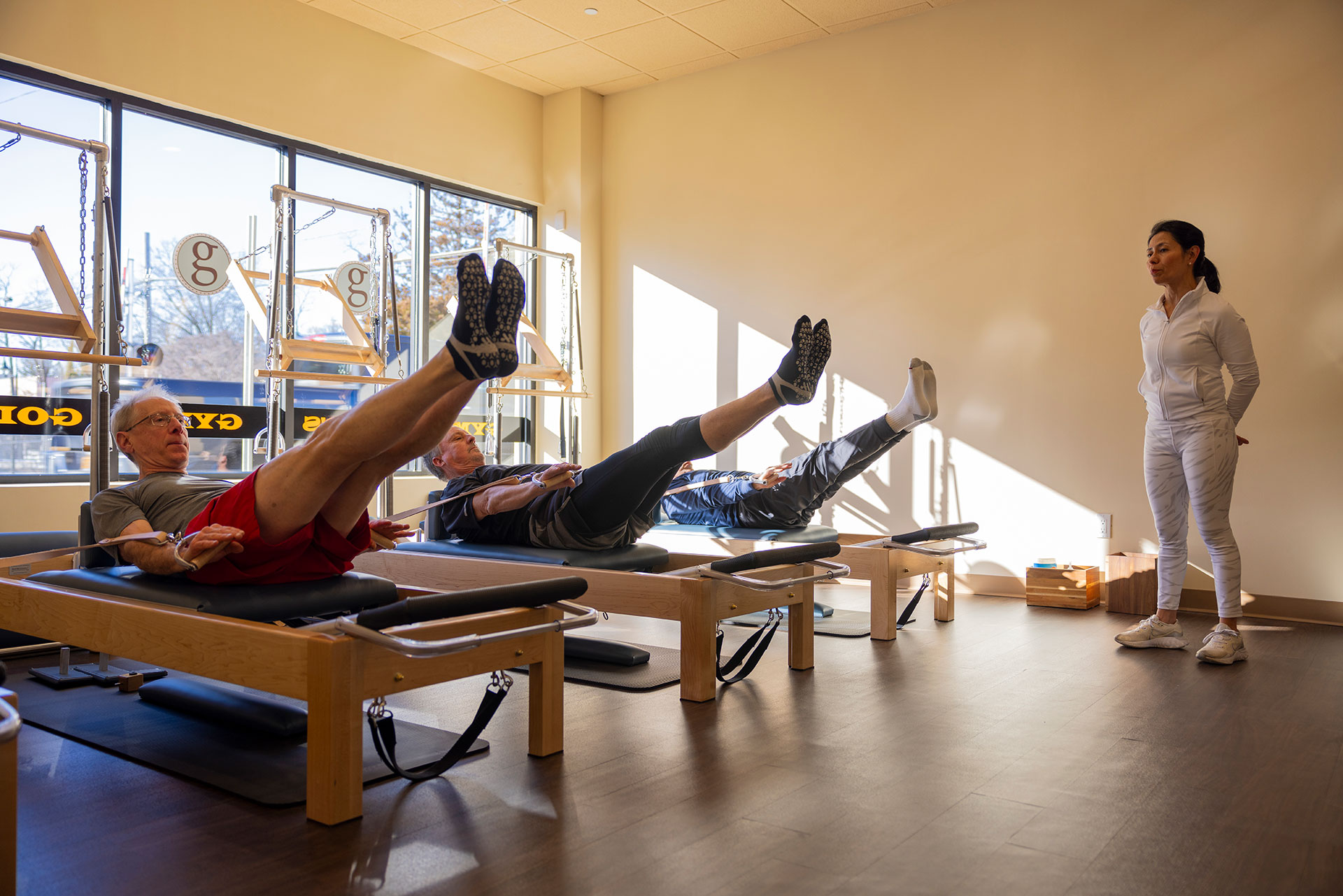
A group class puts you in a room with other people who are quietly rooting for you. Loneliness is one of the biggest public health issues of the decade, and consistent class attendance is one of the most underrated interventions for it. You don’t have to make new best friends. You just have to be in the room.
Looking for the Right Class in East Northport?
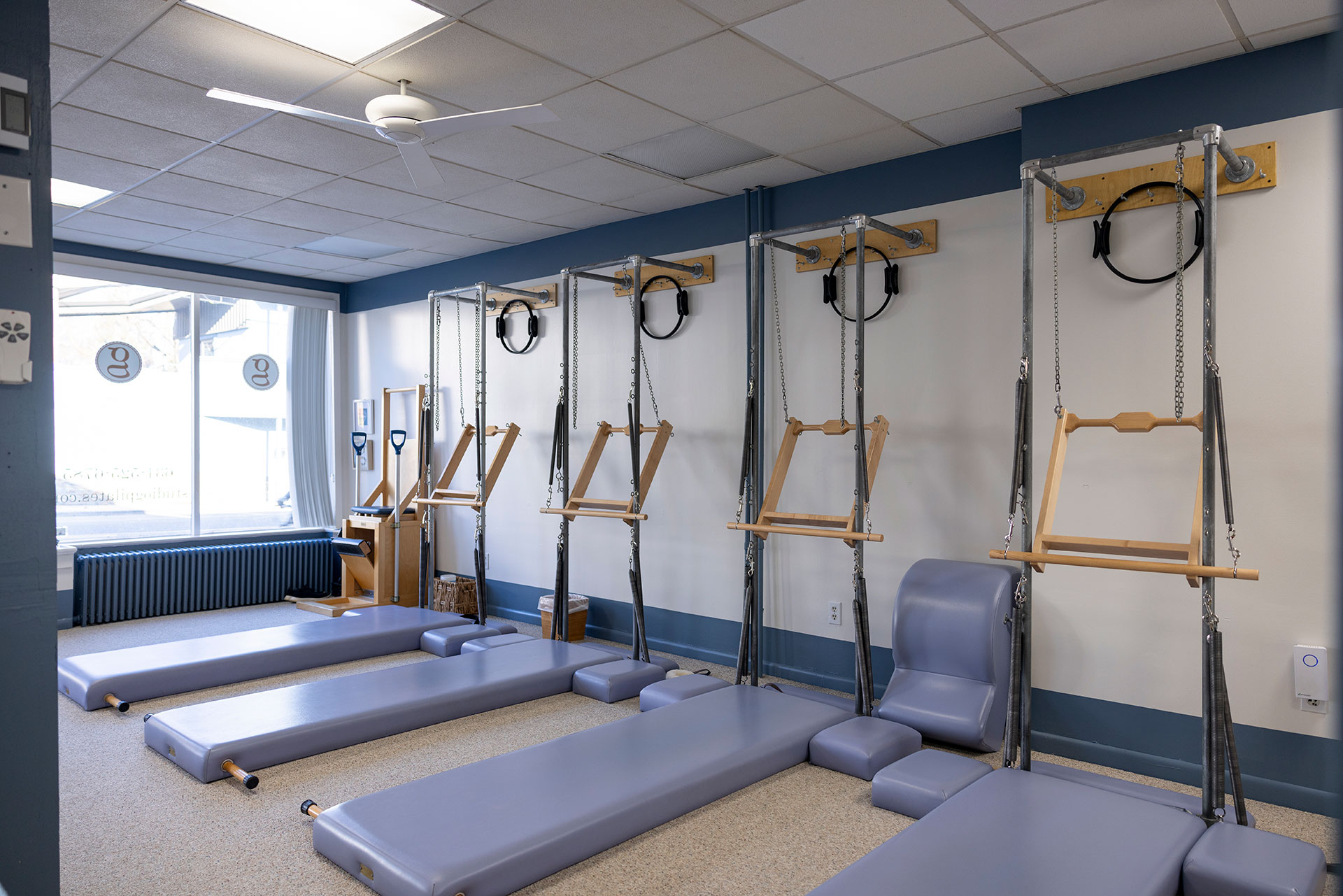
If you are looking for classes in East Northport that match how you actually feel this fall, Studio G Pilates is here. We serve clients in Northport, Centerport, Commack, and the surrounding Huntington area with small group classes designed to meet you where you are, whether that’s stressed, anxious, exhausted, or simply looking for a better week.
In addition to private and semi-private Pilates sessions, Studio G Pilates offers small group classes. We believe that smaller is better. Smaller classes mean safer, more personalized, and more rewarding movement that supports your individual needs and goals. Our purpose is to help you feel better physically and mentally while building a lasting connection to Pilates and mindful movement that can support you for life.
Frequently Asked Questions
Can exercise really calm your nervous system?
Yes. Slower, breath-focused movement can activate the parasympathetic nervous system, which down-regulated the stress response.
Can intense exercise make anxiety worse?
For some people, yes. Very high-intensity workouts can elevate heart rate and cortisol in ways that mimic or amplify anxiety symptoms. If you’ve ever felt more wired after a hard workout, this is why.
Should I exercise when I’m mentally exhausted?
Usually yes, but pick something gentle. A short, low-intensity class is almost always better than skipping. Save the hard workouts for the days you have real energy.
Is walking enough exercise for stress?
Walking is one of the most underrated stress interventions. It won’t build strength on its own, but for stress relief and mood, a daily 20-minute walk is meaningfully effective.
How often should I work out for mental health benefits?
Research suggests two to three sessions per week is enough for meaningful improvements in mood and sleep. Consistency matters more than intensity.
Key Takeaways
- The best workout depends on what you’re carrying, not on what’s trendy.
- Slower, breath-focused movement tends to help stress and anxiety more than intense workouts.
- When you’re depleted, gentler and shorter is more effective than harder and longer.
- Pilates supports mental health.
- Group classes support the mental health piece solo workouts can’t reach . . community.
- Match the workout to the symptom.
Come Find Your Class
If this fall has been harder than usual, come move with us. We’ll help you find the class that fits how you actually feel this week.